Ronnie Spector, the Original Bad Girl of Rock
- edgarstreetbooks

- Jan 2
- 2 min read
'New York Groove: An Inside Look at the Stars, Shows and Songs That Make NYC Rock' Book Excerpt
Frank Mastropolo
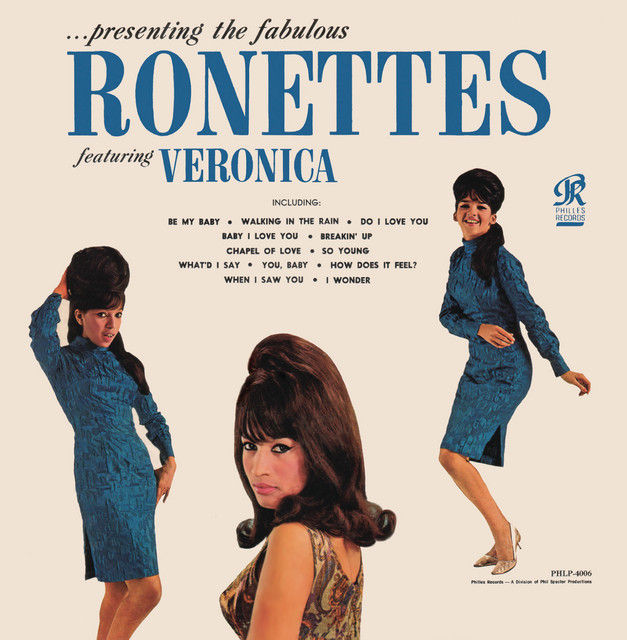
Born Veronica Yvette Bennett, Ronnie Spector was born in Spanish Harlem, where growing up was tough for a girl with African American and Cherokee heritage. “When you don’t look like everyone else, you automatically have a problem in school,” Spector told The Guardian. “They would beat me up because I was different-looking. To be honest, I caught hell.”
Spector was part of a huge family. Frankie Lymon was her biggest musical influence and Spector spent hours harmonizing with her sister and cousins. “I was about seven or eight years old, I’d sing while my cousins backed me up in the lobby at my grandma’s apartment building,” Spector recalled in Creative Loafing. “It was one of those pre-war buildings that had a tiled lobby, and it made for this incredible echo. I didn’t think it was special, but I could hear myself, and I thought, ‘Wow, I can do this.’”
A gig as dancers at the Peppermint Lounge led to Spector and her cousins performing at the Brooklyn Fox as members of Murray the K’s Dancing Girls. By 1961, the Ronettes — Spector, sister Estelle Bennett, and their cousin Nedra Talley — signed with Colpix Records. Discouraged by their lack of success, the group auditioned for Phil Spector, who arranged for the Ronettes to be released from their Colpix contract and sign with Spector’s Philles Records.
Accompanied by Spector’s “Wall of Sound” production, the Ronettes became one of the most successful girl groups in rock history. “Be My Baby,” released in 1963, reached number two on the Billboard Hot 100. “Baby I Love You” and “Walking in the Rain” followed, but by late 1964 the Ronettes’ popularity had declined. The singer’s turbulent marriage to Spector in 1968 ended in 1974. The singer credits her New York upbringing for her resilience.
“It’s an attitude that comes from where I grew up,” she told The Scotsman in 2019. “In Spanish Harlem, you had Spanish girls, White girls, Black girls. We were bad on stage because we wore tight dresses, slit up the side but it was only because we had to dance. They always said the Ronettes were different — not better, just different than any other girl group and that’s what I still am today. Fifty years later I’m still going out there knocking ’em dead.”
Shortly after a cancer diagnosis, Spector died on January 12, 2022, at the age of 78.
Frank Mastropolo is the author of New York Groove: An Inside Look at the Stars, Shows, and Songs That Make NYC Rock and Fillmore East: The Venue That Changed Rock Music Forever.


Comments