The Drifters Were Fired — then Reborn — at the Apollo Theater

Updated: Dec 11, 2025
'New York Groove: An Inside Look at the Stars, Shows, and Songs That Make NYC Rock' Book Excerpt
Frank Mastropolo
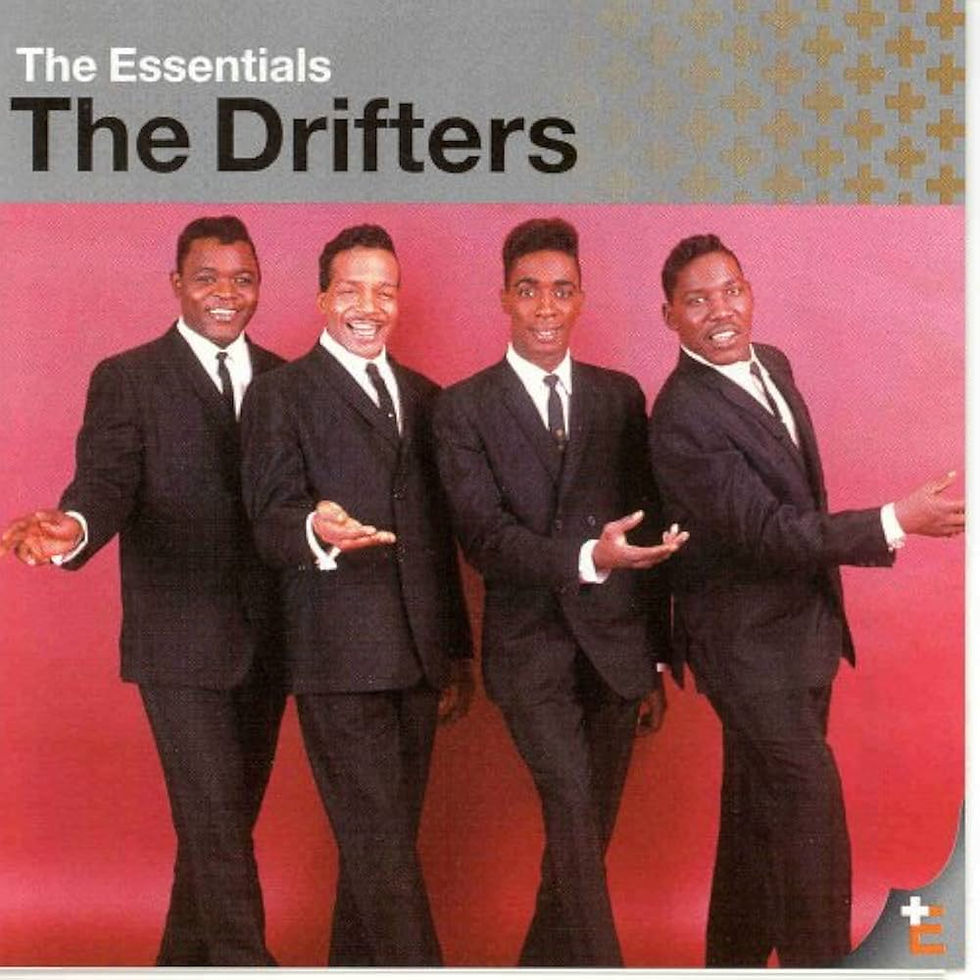
Most know the Drifters as the smooth and soulful group of the early 1960s that featured singers like Ben E. King, Charlie Thomas, Johnny Moore, and Rudy Lewis. “This Magic Moment,” “Under the Boardwalk,” “Save the Last Dance for Me,” and “Up on the Roof” were all Top 10 hits for the group.
But an entirely different collection of singers, led by tenor Clyde McPhatter, formed as the Drifters in 1953. Backed by Bill Pinkney, Willie Ferbie, and brothers Gerhart and Andrew Thrasher, the original Drifters topped the R&B charts with songs like “Money Honey” and “White Christmas.” In the early 1950s, racism prevented black groups like the Drifters from getting airplay on radio stations with white audiences.
By 1958, hits were hard to come by for the Drifters. Lead singer Clyde McPhatter had been drafted into the Army. Some members had a drinking problem, which caused a rift between the group and its manager, George Treadwell, who owned the Drifters name.
In 1958, the Drifters were booked for a week-long engagement at the Apollo Theater as part of disk jockey Dr. Jive’s show. Because they had won the amateur contest the week before, the Five Crowns, with Ben E. King (then known by his real name, Ben Nelson) and Charlie Thomas, also performed.
Things came to a head when one of the Drifters, who had been drinking, argued and cursed at Dr. Jive and Apollo owner Frank Schiffman. Treadwell fired the entire group backstage and offered four of the Five Crowns the opportunity to become the new lineup of the Drifters.
The transition was difficult, as fans did not accept the new members of the Drifters. “We got booed off the stage for a year almost before getting into the studio to record,” King told Marv Goldberg.
Fans soon warmed to the new Drifters lineup after King co-wrote and sang their crossover hit, 1959’s “There Goes My Baby.” Teamed with songwriters Doc Pomus and Mort Shuman, the Drifters’ hits continued with “Save the Last Dance for Me,” “This Magic Moment,” and “I Count the Tears.”
Despite the string of hits, Treadwell paid the Drifters a meager weekly salary. “We were making maybe a hundred dollars a week,” said King. “That hundred dollars would have to keep us alive on the road, and of course, we tried to send some money home.”
As lead singer, King in 1960 was tasked to represent the group and request a raise from Treadwell. “We got to the office to discuss this problem that we were having regarding salary. He told me instead of me standing up to speak for the group, to speak for yourself, and I did so. And he fired me.
“I walked out of the office assuming that the other guys would follow, and they didn’t.”
Frank Mastropolo is the author of New York Groove: An Inside Look at the Stars, Shows, and Songs That Make NYC Rock and the Greatest Performances series.

Comments